How Do You Build a Compliant and Profitable Private Label Kids Accessories Line?
October 23, 2026
Building a commercial private label line requires navigating strict international chemical safety regulations, structural hardware durability tests, character licensing frameworks, and multi-tier supply chain management. Brand managers and retail buyers must partner with a qualified kids accessories manufacturer to transition product concepts into high-volume retail shipments. For example, a department store procurement team launching a spring hair bow and handbag assortment must verify phthalate-free PVC backing, heavy-metal-free plating on metal zippers, and small-part torque limits before approving full production runs. Partnering with a vetted kids product development partner streamlines physical prototyping, guarantees CPSIA and EN71 compliance, and protects retail margins from unexpected quality defects or port detentions.
Navigating Chemical and Mechanical Compliance for Children’s Accessories
Manufacturing soft goods, hair adornments, and fashion items for young consumers demands strict adherence to regulatory standards across international export markets. Federal agencies treat products intended for children twelve years old or younger under rigorous statutory safety rules.
Primary compliance frameworks govern lead concentrations, heavy metal solubility, and plasticizer migration in synthetic materials. Materials used in children’s accessories must undergo third-party laboratory verification before entering retail distribution.
| Target Parameter | U.S. CPSIA / ASTM F963 Limit | EU EN 71-3 / REACH Limit | Testing Methodology |
| Total Lead in Substrates | ≤ 100 ppm | ≤ 500 ppm | CPSC-CH-E1002-08.3 (XRF / ICP-OES) |
| Restricted Phthalates | ≤ 0.1% (1000 ppm) per listed plasticizer | ≤ 0.1% (1000 ppm) total DEHP/DBP/BBP/DIBP | GC-MS solvent extraction |
| Heavy Metals Solubility | Lead ≤ 90 ppm, Cadmium ≤ 75 ppm | Soluble element migration limits (Category III) | Acid extraction spectroradiometry |
| Physical Small Parts | No small part detachment under 15 lbf tension | Pass torque and drop test without sharp detachment | CPSC small parts cylinder (16 CFR 1501) |
Table 1: Chemical and mechanical safety thresholds across major international regulatory jurisdictions.
Physical safety engineering addresses mechanical hazards such as sharp points, strangulation loops, and choking risks from detached components. Decorative beads, sequins, and metal clasps must resist specified pull-force thresholds during tension testing.
Factory quality control units perform in-house abuse testing on pre-production samples. Technicians subject hair clips and bag straps to torque, tension, and compression loads to simulate real-world child usage before issuing final production approvals.
Certifications require continuous batch testing from ISO 17025 accredited laboratories. A reliable kids accessories manufacturing partner maintains updated test reports for every material lot used on the factory floor.
Structuring the Product Development and Material Sourcing Workflow
Developing custom collections begins with tech pack creation, material selection, and structural pattern design. Brand design teams must specify physical dimensions, pantone color codes, hardware compositions, and fabric weight specifications.
Material selection impacts overall product durability, tactile softness, and environmental footprint. Sourcing teams evaluate various synthetic and natural raw materials based on target price points and safety compliance requirements.
- Polyurethane (PU) synthetic leather provides a wipe-clean surface for structured backpacks, cross-body bags, and novelty coin purses.
- Polyester webbing and cotton canvas offer high tensile strength for adjustable shoulder straps and durable tote handles.
- Recycled PET fabrics reduce virgin plastic consumption while maintaining high color fastness during dye sublimation printing.
- Zinc alloy hardware with nickel-free electroplating prevents skin irritation on metal zippers and strap adjusting buckles.
Working alongside a specialized custom kids accessories supplier ensures that chosen materials pass chemical screening before factory cutting operations commence. Pre-screening raw textiles eliminates costly batch rejections after final assembly.
Tooling creation for custom metal badge plates, silicone zip pullers, and plastic hair accessory molds requires precise CAD modeling. Factories build steel or aluminum molds to produce uniform hardware elements across multi-thousand unit order quantities.
Sample revision cycles refine physical proportions, sewing construction, and printed artwork alignment. Production managers review physical golden samples to establish visual tolerance standards for mass line assembly.
Integrating Character Licensing and IP Standards
Incorporate popular media characters requires working with a certified licensed kids accessories manufacturer capable of upholding strict brand guidelines. Licensors enforce precise color matching, graphic placement rules, and anti-counterfeiting security features on all approved goods.
Navigating corporate licensing audits involves validating factory labor standards, workplace safety, and environmental practices. Global entertainment brands demand social compliance certification before authorizing factories to print copyrighted imagery.
| Audit System | Primary Evaluation Focus | Re-audit Frequency | Compliance Value for Retail Buyers |
| SMETA (SEDEX) | Labor standards, health and safety, environment, business ethics | 12 to 24 Months | Required by major global retail chains |
| BSCI (Amfori) | Workplace conditions, fair remuneration, environmental protection | Annual Audit | Standard requirement across European markets |
| Disney FAMA | Facility and merchandise authorization for character production | Annual Audit | Essential for manufacturing Disney-licensed goods |
| ISO 9001 | Quality management system consistency across assembly lines | Annual Surveillance | Verifies standardized factory operational control |
Table 2: Key social compliance and factory audit frameworks for licensed production.
Managing licensed production runs requires rigorous inventory tracking of security holograms, branded hangtags, and custom woven labels. Facilities track every licensed component to prevent unauthorized overruns or gray-market distribution.
A specialized character accessories manufacturer coordinates directly with licensor brand protection teams to submit pre-production samples through official approval portals. Streamlined communication accelerates sample sign-offs and prevents seasonal shipment delays.
A vetted licensed kids accessories supplier maintains legal authorization to produce branded merchandise across diverse product categories. Partnering with audited suppliers protects brand owners from legal disputes and intellectual property infringement liabilities.
Sourcing Categories and Assortment Planning
Creating a balanced product line involves selecting complimentary product categories that drive impulse purchases and cross-merchandising opportunities. Buyers combine daily functional items with seasonal dress-up items to maximize retail turnover.
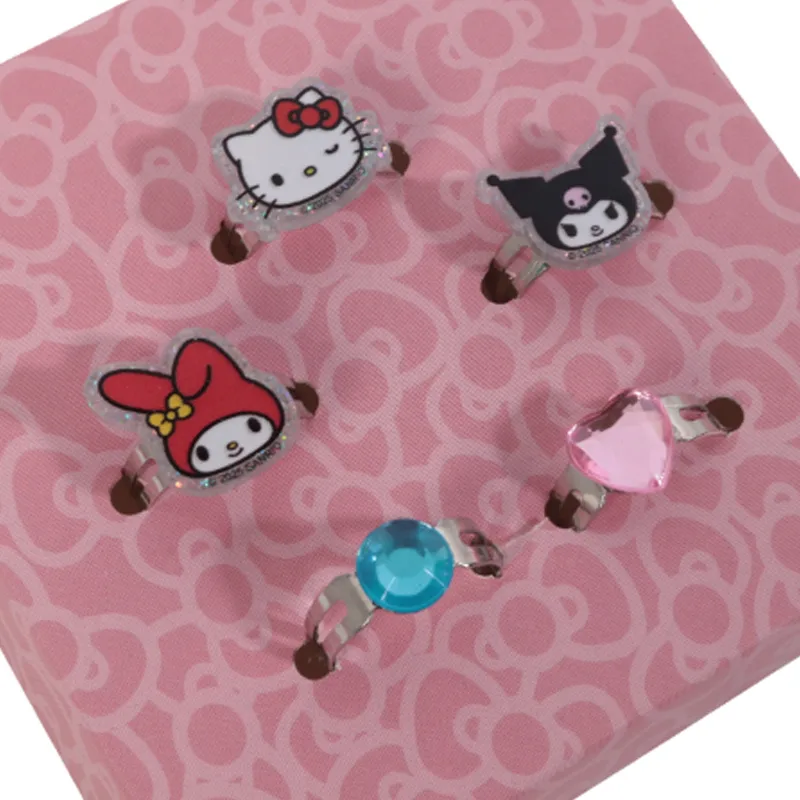
Hair accessories represent high-margin impulse items suitable for point-of-sale displays. Assortments feature fabric-wrapped headbands, elastic hair ties, snap clips, and embellished bows designed with secure backing plates.
Bags and small leather goods provide higher unit transaction values within seasonal retail displays. Product ranges include mini backpacks, belt bags, insulated lunch totes, and novelty cross-body purses equipped with breakaway safety straps.
Functional apparel accents like sunglasses, sun hats, winter beanies, and mittens expand seasonal retail presence. Eyewear items must incorporate UV400 protective lenses to block ultraviolet radiation effectively.
Formulating safe cosmetic lines requires partnering with an experienced kids beauty accessories production facility. Water-based peel-off nail polishes, flavored lip balms, and mild body glitter gels require full toxicological risk assessments and cleanroom filling environments.
To explore certified product ranges and custom manufacturing options for your brand, connect with the Cools product development team to request technical catalogs and custom samples.
Combining diverse product lines into coordinated gift sets increases average basket sizes during peak holiday sales periods. Multi-piece sets packaged in printed window boxes deliver clear value presentations on retail shelves.
Assortment planners calculate volumetric weight ratios to optimize ocean container loading densities. Packing compact items like jewelry sets inside hollow bag interiors maximizes shipping efficiency and lowers landed unit freight costs.
Manufacturing Logistics, QC, and Supply Chain Execution
Scaling production from initial samples to full container loads requires disciplined operational oversight across every manufacturing stage. Purchasing departments schedule raw material procurement based on factory production capacities and shipping deadlines.
In-line quality control inspectors monitor sewing machine tension, glue application uniformity, and print registration during assembly operations. Catching stitching flaws early reduces scrap rates and maintains consistent production velocity.
Final random inspections follow international AQL (Acceptable Quality Limit) sampling standards, typically set at AQL 2.5 for major defects and AQL 4.0 for minor defects. Inspectors check functional zippers, strap pull strength, seam integrity, and barcode readability.
- Incoming Quality Control (IQC): Inspects raw fabrics, metal hardware, zippers, and packaging materials against approved spec sheets.
- In-Process Quality Control (IPQC): Monitors semi-finished components on assembly lines to verify seam allowances and glue bond strength.
- Final Quality Control (FQC): Evaluates completed products against AQL limits before transfer to final packaging stations.
- Outgoing Quality Control (OQC): Checks outer carton box strength, shipping mark accuracy, and pallet stacking stability prior to loading.
Sourcing through an established kids accessories wholesale supplier provides access to consolidated logistics networks. Consolidated shipping allows buyers to combine multiple product styles into single container shipments, reducing destination clearance costs.
Bulk order buyers work with an experienced kids fashion accessories manufacturer to streamline global supply chain steps. Clear master carton labeling prevents logistics delays at port customs inspection points.
Selecting a capable kids accessories wholesale partner gives retail brands the operational flexibility needed to handle seasonal demand spikes. Efficient factories adjust production line capacity to support reorders during peak sales seasons.
Contract terms must define clear lead times for raw material sourcing, sample approvals, mass assembly, and ocean transit. Establishing realistic production schedules prevents stock-outs during critical holiday retail windows.
Working with an experienced kids fashion accessories wholesale partner enables brands to implement custom packaging solutions. Display-ready inner cartons reduce retail floor setup labor for brick-and-mortar store networks.
Frequently Asked Questions
What safety testing documents are required to import children’s accessories into the United States?
Importers must issue a Children’s Product Certificate (CPC) supported by third-party test reports from a CPSC-accepted laboratory. The reports must prove compliance with CPSIA total lead limits, phthalate restrictions, and ASTM F963 mechanical safety standards.
How do minimum order quantities (MOQs) work for custom private label accessory development?
MOQ requirements depend on custom material dye lots and specialized hardware tooling requirements. Standard production lines typically require 1,000 to 3,000 units per style, while stock material colors may allow lower initial minimums.
What is the typical lead time for custom private label accessory production?
Product development and sampling require 2 to 4 weeks, including mold creation and artwork sign-off. Mass manufacturing takes 35 to 50 days following sample approval, followed by 3 to 5 weeks for ocean freight transit depending on the destination port.
How do factories ensure non-toxic safety for children’s cosmetic accessories?
Cosmetics undergo Microbial Susceptibility Testing and Toxicological Risk Assessments (TRA) to verify non-toxic, skin-safe formulations. Production occurs in cleanroom environments following Good Manufacturing Practices (GMP) and ISO 22716 cosmetic standards.
What is the difference between OEM and ODM manufacturing services for kids accessories?
OEM (Original Equipment Manufacturer) creates products based entirely on buyer-provided designs, tech packs, and custom molds. ODM (Original Design Manufacturer) provides pre-developed product designs that buyers can brand with custom logos, colors, and tailored packaging.
Partnering with Cools for Private Label Accessories Manufacturing
Cools is a specialized kids accessories manufacturer and supply chain partner serving global retailers, fashion brands, and commercial distributors. Our manufacturing network produces high-margin kids accessories including hair adornments, mini bags, fashion jewelry, and seasonal novelty sets built to international safety standards. We offer complete private label engineering, in-house sampling, certified chemical compliance testing, and full OEM production services to bring your brand concepts to market efficiently. Partner with Cools to streamline your product development cycle, protect your brand equity with audited safety protocols, and scale your retail distribution globally.
References
- U.S. Consumer Product Safety Commission, Regulatory Guidance for Children’s Products and CPSIA Requirements, https://www.cpsc.gov/Business–Manufacturing/Business-Education/Childrens-Products
- ASTM International, ASTM F963 Standard Consumer Safety Specification for Toy Safety, https://www.astm.org/f0963-23.html